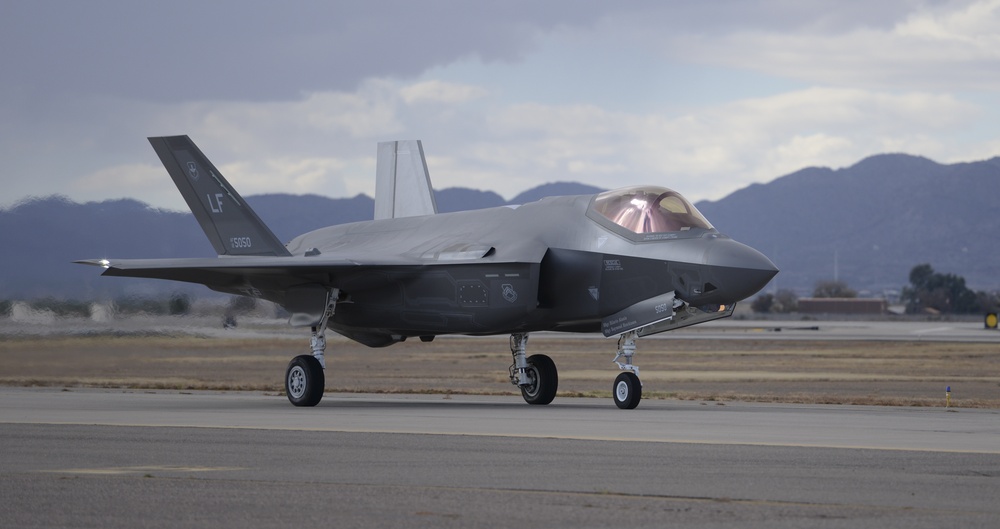
The environment is part of the mission
Aviation weather includes much more than whether it is raining at the departure airport. The National Weather Service identifies hazards such as turbulence, thunderstorms, icing, low visibility, wind shear, and density altitude. These conditions involve different physical processes and can affect different stages of a flight. A clear view from the ground is not a complete picture of the atmosphere.
Different hazards, different questions
Thunderstorms can combine several hazards, while icing concerns the accumulation of ice under relevant conditions. Visibility and cloud ceilings affect what can be seen and the conditions around an approach or departure. A public article can introduce these concepts, but it cannot substitute for official forecasts, flight planning, qualified judgment, or applicable operating rules. Readers should avoid turning a general description into personal flight advice.
Explain a delay before judging it
When aviation activity is postponed, weather may be one of several factors. The responsible organization’s confirmed explanation matters more than a spectator’s impression that the sky looks acceptable. Similarly, successful activity in difficult conditions should not be treated as evidence that risk was absent. Thoughtful reporting can explain why preparation and changing assessments are part of professional aviation. That perspective recognizes a central feature of readiness: judgment includes deciding when conditions do not support the intended task. Weather is therefore a useful evergreen subject because it links technology, human decisions, and the changing environment in which all aircraft must operate.