Readiness has a practical side
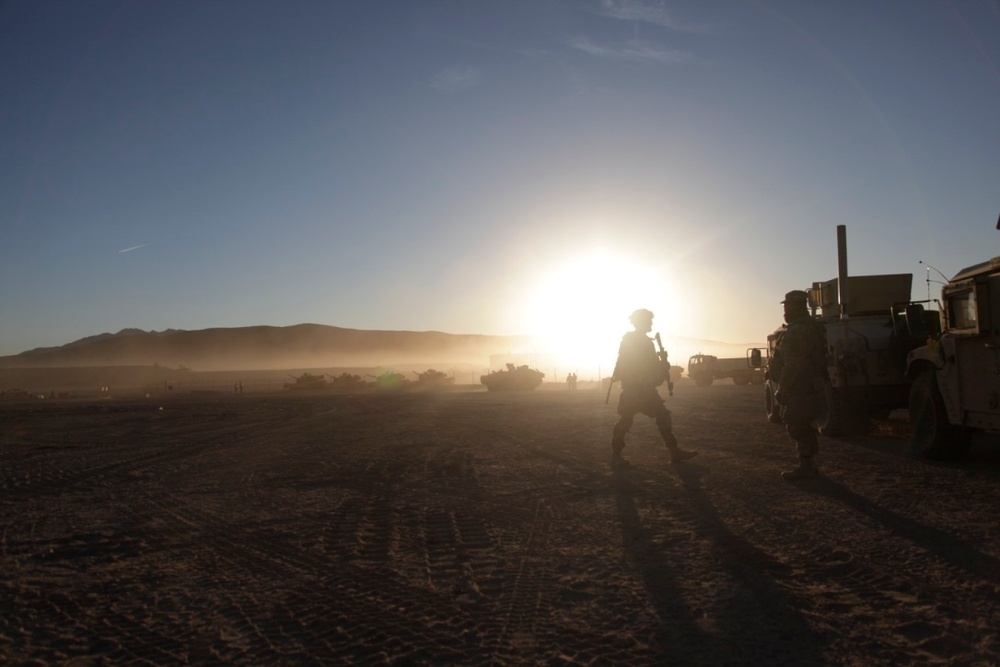
Maintenance preserves equipment and helps it remain available for training and missions. Army explanations emphasize observing performance, conducting services, repairing faults, and applying established technical standards. These are connected activities. A machine that looks impressive in a photograph may still depend on inspections, parts, documentation, and qualified work before it is ready for its intended task.
Observation leads to action
Preventive maintenance checks and services help operators identify problems before, during, and after use according to the relevant technical guidance. Finding a fault is useful only if it is recorded, assessed, and addressed through the proper process. Some work belongs with the operator; other tasks require trained maintenance personnel. This article explains the concept and does not provide instructions for servicing military equipment.
Count the system, not just the item
When reading readiness coverage, consider whether it discusses an individual platform, a unit, or a larger support network. Parts availability, repair capacity, training, and time can affect what a formation can actually do. A newly delivered item and a fully supported capability are not necessarily the same thing. Good reporting describes the scope of a readiness claim and the evidence behind it. That helps readers appreciate the professional work of maintainers without turning a broad percentage into an unsupported conclusion. Maintenance may be less visually dramatic than a launch or maneuver, but it is central to turning equipment ownership into dependable operational capability.