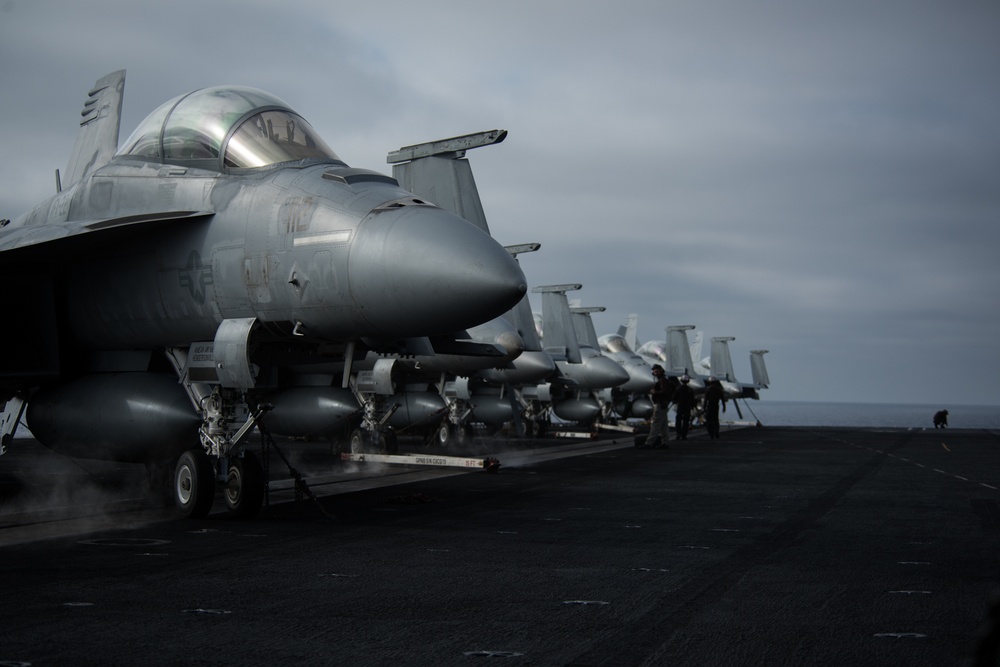
Different services working together
Joint military activity brings together capabilities from more than one service. The term is useful because modern missions often require more than a single organization’s skills or equipment. A civilian reader should still ask which services are involved and what each contributes. Calling an activity joint is an introduction, not a complete explanation of its organization or purpose.
Advice and command
The Joint Chiefs of Staff provide military advice; they do not collectively command combatant forces. The distinction helps explain why a service chief, a senior adviser, and an operational commander can all appear in the same news cycle while holding different responsibilities. Services organize, train, and equip forces, while operational command arrangements concern how assigned forces carry out missions. These are connected functions rather than interchangeable titles.
Follow the practical question
A useful way to read a joint story is to ask who is preparing the capability, who is directing the particular activity, and who is explaining it publicly. Avoid assuming that the most senior person quoted personally commands every unit mentioned. For an exercise, look for what the participating organizations are trying to practice together: coordination, shared procedures, or a specific mission skill. This approach makes organizational reporting easier to follow and keeps attention on the work itself. It also helps distinguish confirmed arrangements from a journalist’s or commentator’s interpretation of them, an important habit when a story involves several headquarters and unfamiliar abbreviations.