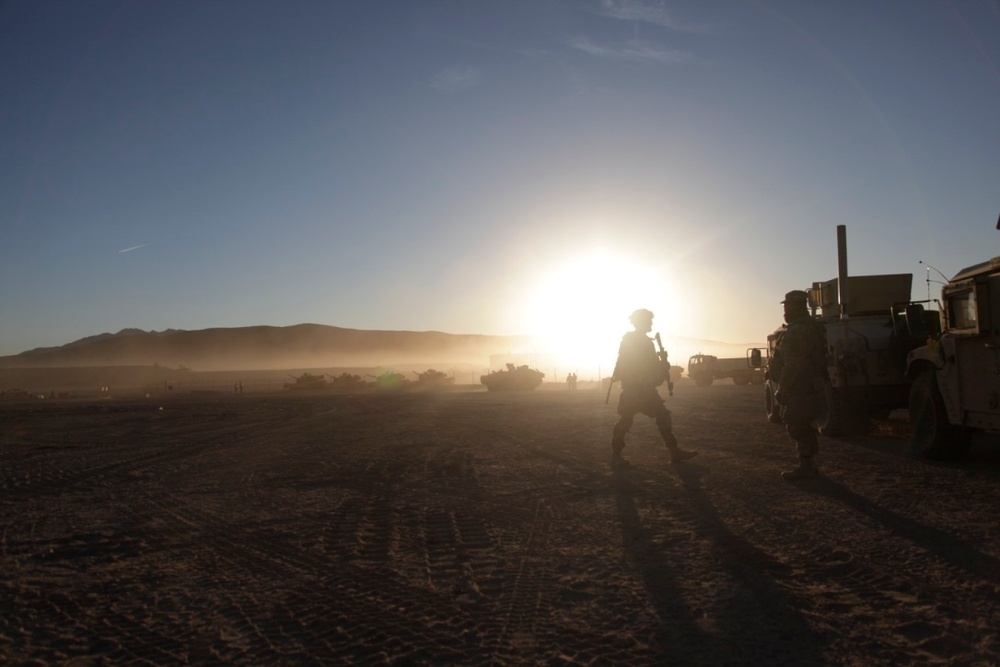
A federal contribution
The Army Reserve provides trained units and soldiers for the Army and the wider joint force. Its role is not limited to waiting for a large war. Official descriptions emphasize readiness, operational support, and the ability to contribute across different kinds of missions. The Army Reserve is distinct from the Army National Guard, although both are reserve components of the Army.
People with overlapping experience
Reserve service often connects military responsibilities with civilian employment, education, and family life. Those experiences can complement one another, but they can also create scheduling and transition challenges. An individual’s obligations depend on their position and circumstances; public descriptions of part-time service should not be treated as a promise about every assignment. Readiness requires continuing preparation rather than a uniform that is used only occasionally.
A fuller way to read readiness
Coverage of reserve forces becomes more informative when it explains what a unit contributes and how it prepares. Does the account concern training, mobilization, support to another formation, or a community response? What does the official source confirm about the assignment? These questions reveal the actual work behind a broad organizational label. They also help civilian employers and neighbors understand why reserve service can involve significant responsibility. For readers considering service themselves, an introductory article should lead to official recruiting and component resources, where specific commitments can be discussed directly. General reporting can explain the institution, but it cannot establish an individual’s contract terms or future schedule.